No. 18 Appeals to Emotion
Special Pleading
In Turkish: Mazeret Safsatası
The rule’s for everyone. Except you. Why? Because you.
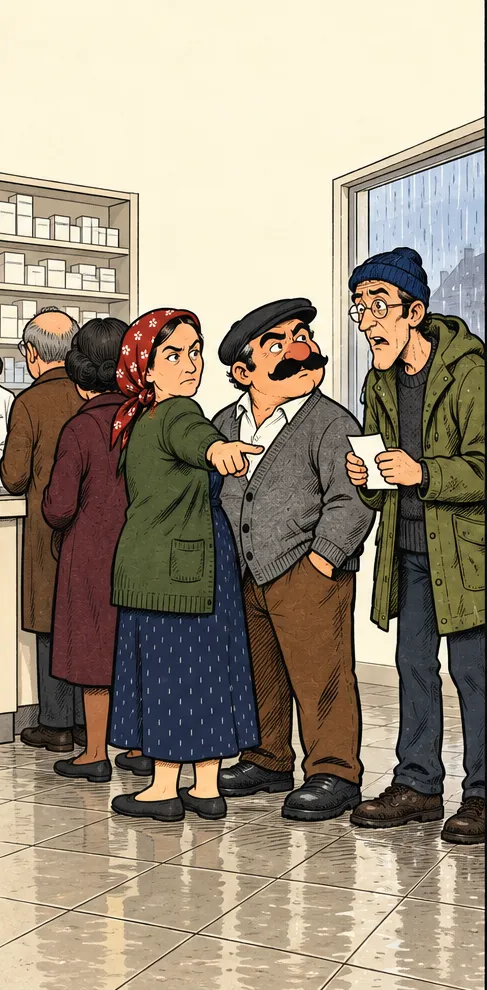
There’s a queue, Dursun. To the back.
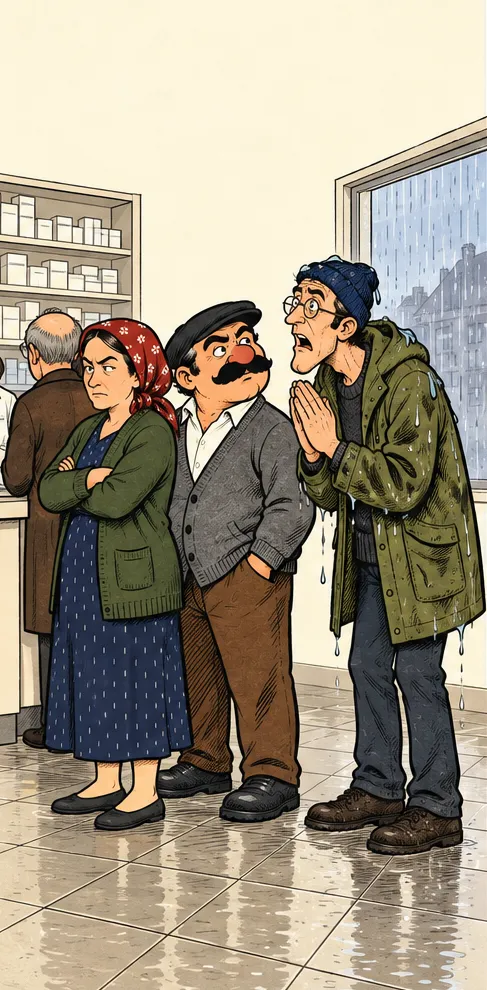
The rule’s for everyone, mine’s urgent. And it’s raining.
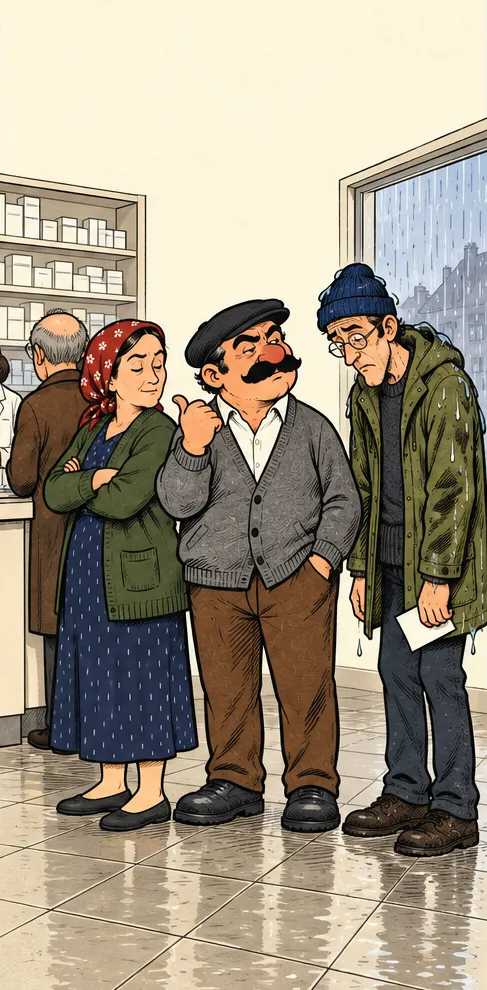
Everyone here is urgent, everyone’s wet. The rule doesn’t come with an “except me”.
What is it?
Exempting yourself, or your own side, from a rule everyone else must follow, without a valid reason. There’s always an excuse; there’s never a criterion.
The pattern
- Rule: everyone who is X does Y.
- I am X.
- But my case is different. (How the difference affects the rule is never said.)
Why it fails
Everyone sees their own case as special; my hurry is an emergency, yours is selfishness. The fallacy is presenting that feeling as a reason: “mine is different” without saying what the difference is. If a rule really allows an exception, the exception should be open to everyone; if it’s open only to you, it isn’t a rule, it’s a privilege.
How to spot it
- The rule is strict for everyone and flexible for the speaker.
- “Mine is different”, but what the difference is, and why it changes the rule, never comes.
- The same behaviour changes its name depending on who does it.
What to say
Ask “what’s the difference?”, then “why does that difference change the rule?” If the answer boils down to “because it’s me”, it’s an excuse, not a rule. Then turn the mirror: “Would you accept it if I did the same?”
When it’s not a fallacy
Real exceptions exist: ambulances run red lights, pregnant women skip the queue. Those are open to everyone in that situation, have a stated reason, and are part of the rule. The fallacy is an exception with no reason, or one opened for a single person.
Examples
- Traffic“Everyone should respect the no-parking sign, but I’ll only be two minutes.” Everyone is only two minutes.
- Work“Latecomers write a report.” The manager is late, writes no report: “my work is different.”
- Family“No phones at the table.” The mother who made the rule checks a message: “mine’s important.”
- FootballThe same foul is a red card when they do it and “part of the game” when we do.