No. 12 Distraction Fallacies
Loaded Question
In Turkish: İmalı Soru Safsatası
You hid the answer inside the question. I’m handing the question back.
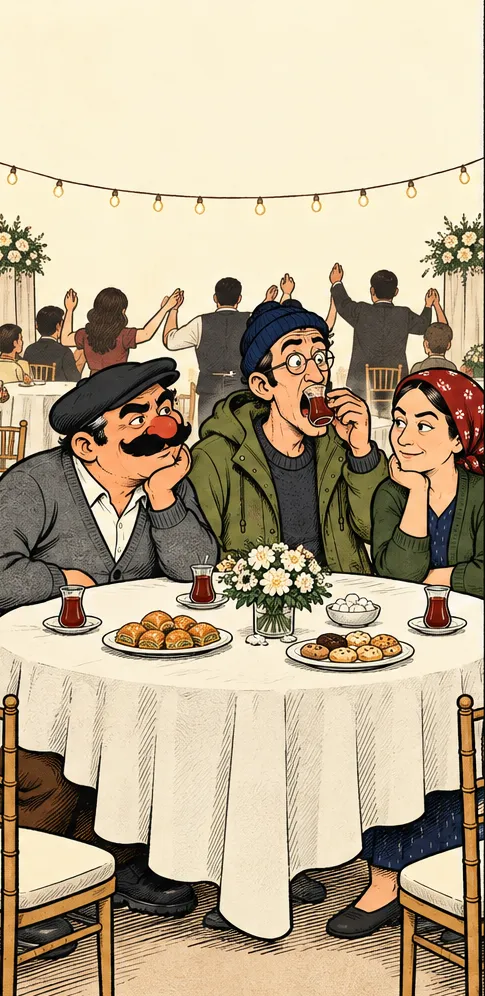
Tell us, Dursun, when did you stop lying to your wife?
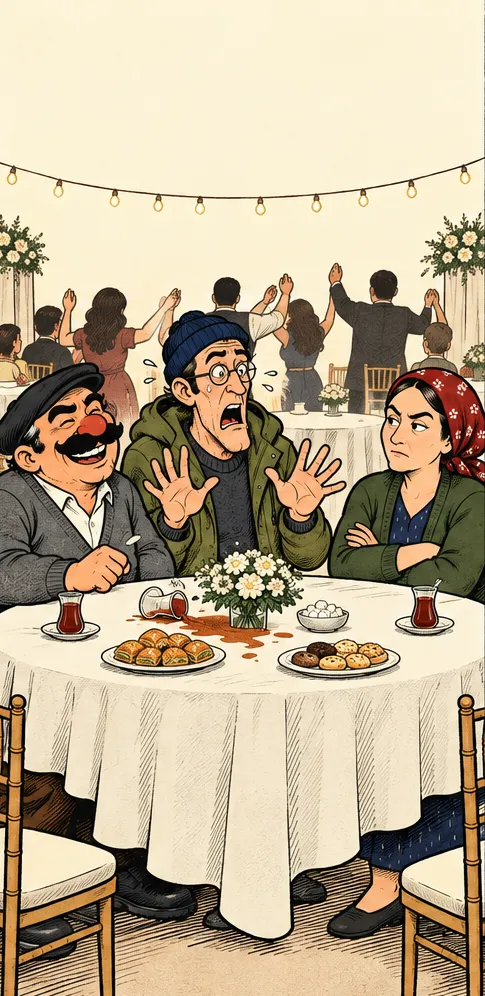
I didn’t stop… I mean I never started! Whatever I say sinks me!
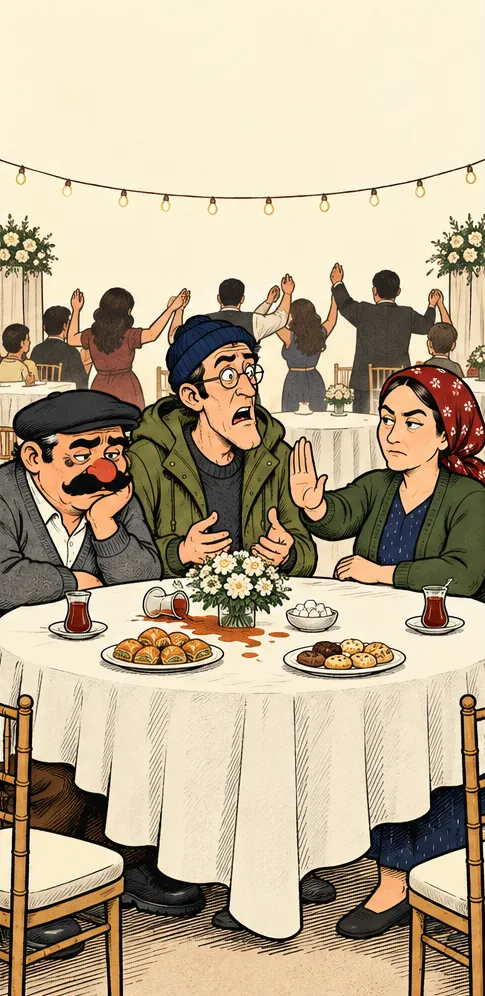
Yes sinks you, no sinks you. Don’t answer, Dursun, hand the question back.
What is it?
A question with a contested assumption buried inside it. Answer it either way and you’ve accepted the assumption. “Have you stopped cheating on tests?”: yes convicts you, so does no.
The pattern
- Question: “Have you stopped doing X?” (doing X is assumed)
- Yes: “So you were doing it.”
- No: “So you still are.”
Why it fails
It catches you off guard because it doesn’t look like a claim; people are wired to answer questions, not audit them. The assumption slips in while you answer. And the audience only hears the answer: your stammer, your blush. The trick is to make you look guilty without accusing you.
How to spot it
- Whatever you answer, you’ve conceded something unpleasant.
- Questions starting with “when”, “why”, “still”, with a claim hiding behind them.
- You find yourself defending while trying to answer.
What to say
Don’t answer; pull out the assumption. “That question takes something for granted; let’s discuss that first. What makes you think I lied?” Split the question in two and answer each part separately.
When it’s not a fallacy
Every question assumes something; “what time is it?” assumes there’s a time. If the assumption is uncontroversial and shared, no problem. The fallacy is burying the very thing in dispute inside the question and making the answerer look like they’ve conceded it.
Examples
- Work“Why did you finish this project so late?” Whether it was late hasn’t been discussed.
- Family“When are you going to get a proper job?” The current job has already been ruled improper.
- Social media“What do you say to this brand cheating its customers?” The cheating comes pre-packed in the question.
- Football“Will the referee bail you out again this time?” The earlier bail-outs are the wrapping paper.