No. 09 Appeals to Authority and the Crowd argumentum ad verecundiam
Appeal to Authority
In Turkish: Bir Bilen Safsatası
“Someone who knows said so.” Who, knows what, and how?
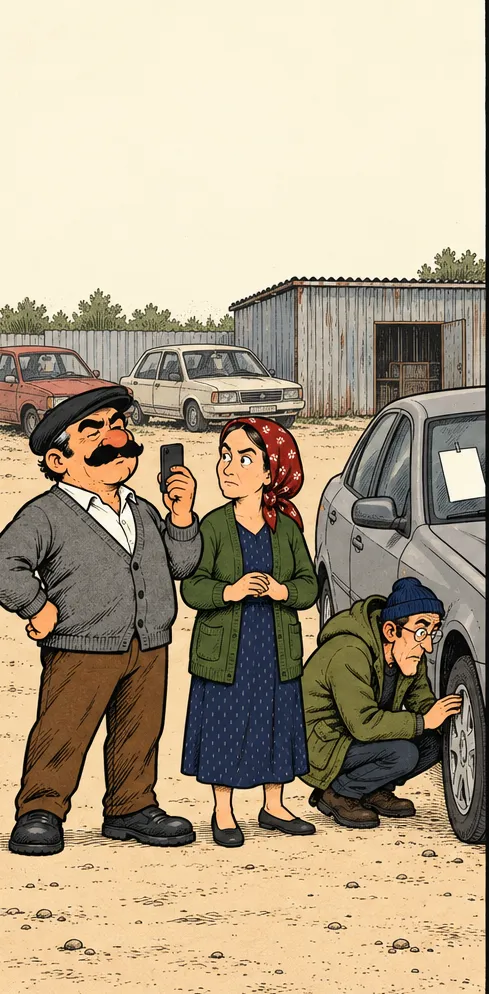
My cousin in Germany says buy this one. German cars never break down.
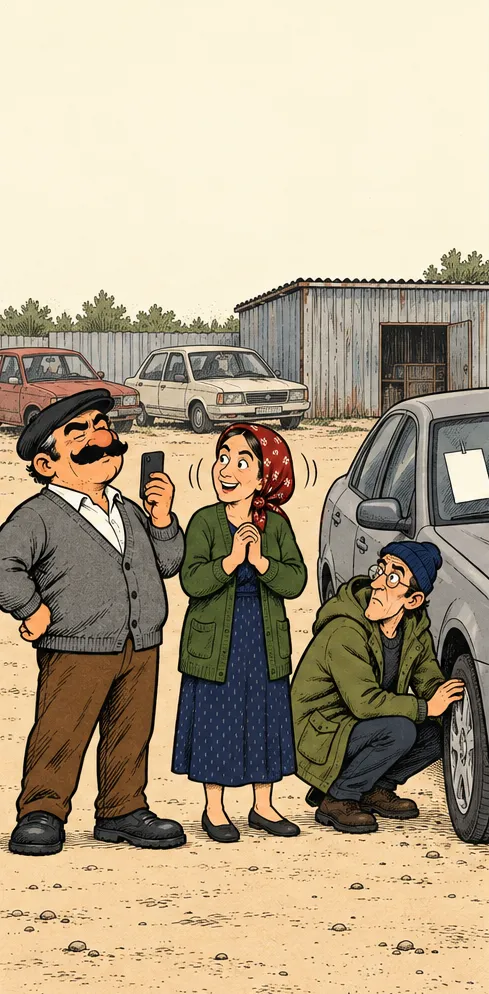
A man who lives in Germany would know! It’ll never break!
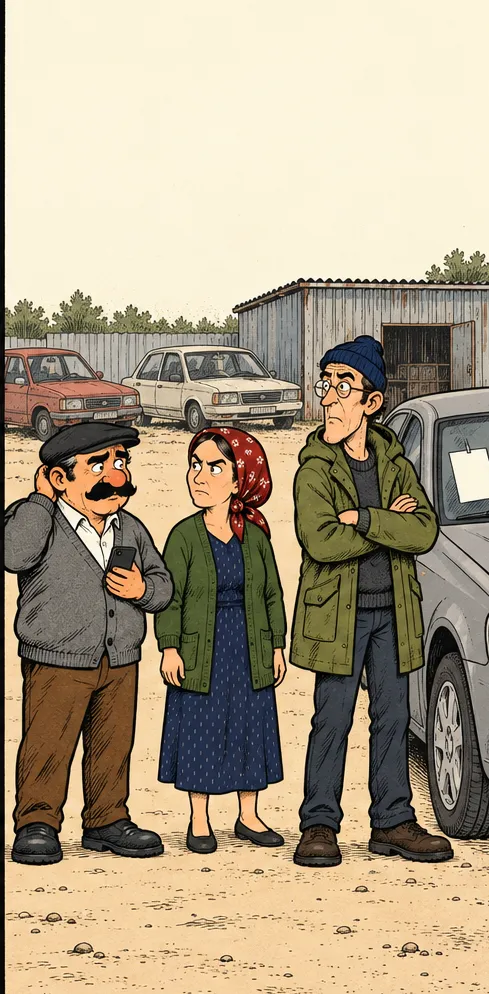
The cousin’s a barber, Temel. Ask a mechanic about the car.
What is it?
Accepting a claim because the person making it is important or familiar. Expertise counts in one field; fame counts in none; and “living in Germany” counts only on the subject of Germany.
The pattern
- Person A says X.
- A is important / famous / educated / lives abroad.
- Therefore X is true.
Why it fails
We have to trust experts; nobody can measure everything themselves. The trouble is trust carried to the wrong place: the cardiologist’s car advice, the footballer’s toothpaste, the cousin’s repair knowledge. And the real question: whatever the expert said, is there evidence for it? What makes an expert is being able to show the evidence, not the title.
How to spot it
- There’s a name or a title where the evidence should be.
- The title doesn’t match the topic: a doctor on cars, a mechanic on diets, an expat on everything.
- Ask “why?” and the answer is “because they said so.”
What to say
“And what did they base that on?” A real expert has the evidence and can explain it. If they can’t, you’ve got a name, not a claim. Then ask about the field: “Is this actually their subject?”
When it’s not a fallacy
Trusting a genuine expert on a subject inside their field isn’t a fallacy; it’s sense. The cardiologist on hearts, the mechanic on cars: that’s a solid reason, not final proof, but a good start. The fallacy is carrying the title outside its field, or putting the title where the evidence should be.
Examples
- AdsA famous actor praises a bank’s interest rate. Actors know acting, not interest.
- Health“Our neighbour the doctor says this diet works for everyone.” Which doctor, which specialty, which study?
- Tech“My nephew works in computers, he says this phone is bugged.” The nephew builds websites.
- School“The teacher said so.” One teacher; a thousand people wrote the book.